
Every real estate cycle has its “euphoria” phase: prices rising without logic, newspapers talking only about new records, investors convinced the rally will never end. And then comes the wake-up call.
According to the latest UBS Global Real Estate Bubble Index, the global residential market is hitting the brakes: third consecutive year of cooling, price-to-rent ratios falling in most cities, and mortgages that still cost double compared to 2020–2022. Translation: in many metropolises, prices are no longer supported by actual rents and incomes.
Where the heat is strongest
- Miami remains the queen of bubble risk: prices and rents completely disconnected, with insurance costs adding even more pressure.
- Tokyo has soared +35% in five years, fueled by foreign demand.
- Zurich up +60% in a decade: strong demand, but very little room left.
- Dubai has returned to 2014 peaks, with a booming population but incomes lagging behind.
Following them are Los Angeles, Amsterdam, Geneva, and others showing the same pattern: prices running far ahead of reality.
Where you can breathe
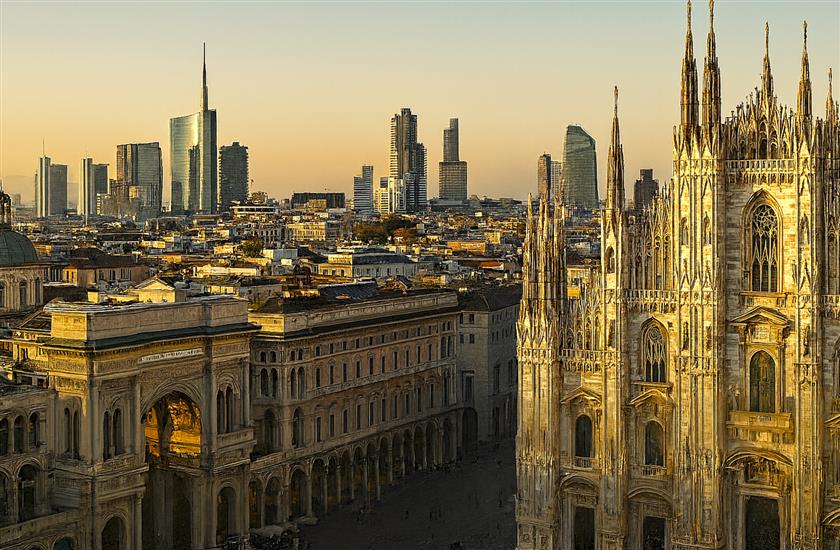
Cities like London, Paris, and even Hong Kong have seen prices deflate. And here comes the surprise: Milan has never entered bubble-risk territory. In fact, in the UBS index, its score has actually gone down.
Why Milan is different
While other cities inflated like balloons, Milan grew with its feet on the ground. Prices did rise, but supported by:
- Rising foreign demand (students, managers, investors).
- The 2026 Winter Olympics effect, keeping global attention high.
- Scarcity of housing supply, acting as a safety net.
Result: Milan today is seen as a solid market, not one propped up by speculation.
The real issue: affordability
Despite the global cooling, buying a home in big cities still takes years of work:
- In Hong Kong it takes 14 years of average income for a 60 sqm apartment.
- In Paris, London, and Tokyo it’s over 10 years.
- In the U.S., ratios are lower, but high mortgage rates make monthly payments a burden.
And Milan? It’s not cheap, but the numbers don’t scream “unrealistic.”
What’s next
The future will hinge on two key factors:
- Interest rates – if they remain high, the global market will keep cooling.
- Governments’ ability to build more homes – without new supply, urban areas will remain pressure cookers.
For investors, the lesson is simple:
- Euphoria and panic are two sides of the same coin.
- Solid cities – like Milan – win in the long run.
And the real secret is to buy with strategy, not with hype.
👉 If you’re an investor or a buyer who wants to know how to navigate a shifting market without falling into the “bubble trap”, Milan still offers real opportunities. But they must be seized with method, not improvisation.
Bruno Zappia